


Exploring the psychology behind winning at a casino
The Allure of the Casino Environment
The atmosphere of a casino plays a vital role in influencing the psychology of gamblers. The vibrant lights, engaging sounds, and the social element create a stimulating environment that enhances excitement and anticipation. This sensory overload can lead to a state known as “flow,” where players become fully immersed in their activities, often leading them to gamble more than they initially planned. Among the many options available, you may find the best bitcoin betting sites appealing for those looking to enhance their gaming experience.
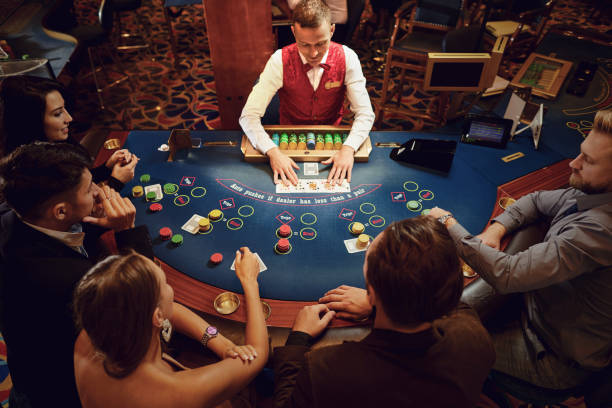
Moreover, casinos are designed to keep players engaged. The absence of clocks and windows creates a timeless experience, encouraging visitors to lose track of time. This carefully crafted environment can manipulate a player’s perception of risk and reward, contributing to the potential for both winning and losing streaks.
The Role of Emotion in Gambling Decisions
Emotions play a crucial role in decision-making at casinos. When players experience winning, the rush of dopamine can create feelings of euphoria and happiness, reinforcing the behavior that led to the win. Conversely, losses can spur feelings of frustration or even anger, which can lead to chasing losses—a common psychological trap where players continue to gamble in hopes of recovering their lost money.
This emotional rollercoaster can cloud judgment, making it challenging for players to recognize when to stop. Understanding these emotional responses is essential for players looking to maintain control and develop a more strategic approach to gambling.
The Impact of Cognitive Biases
Cognitive biases significantly affect the way gamblers think and act in a casino. One prominent bias is the “gambler’s fallacy,” where players believe that past results will influence future outcomes, despite each game being independent. This misconception can lead to increased betting after a series of losses, as individuals falsely believe they are “due” for a win.
Additionally, the “hot hand fallacy” causes players to believe that they can predict winning streaks based on recent successes. These biases can lead to overconfidence and poor decision-making, underscoring the need for gamblers to have a clear understanding of the odds and the independence of each game outcome.
The Social Dynamics of Gambling
The social aspect of gambling cannot be overlooked, as it significantly influences players’ behaviors. Many people enjoy the camaraderie found within a casino setting, where shared experiences and interactions can enhance the thrill of winning. Positive peer pressure can encourage players to take risks they might avoid when gambling alone.
Furthermore, the presence of more experienced players can augment a novice’s confidence, leading to potentially reckless decisions. Understanding the influence of social dynamics is essential for gamblers who want to adopt a more analytical approach to their game strategies, ensuring that they do not let social factors dictate their decisions.
About Our Website
Our website aims to provide insightful resources for those interested in the psychology of gambling and the casino environment. We believe that understanding the mental aspects of gambling can lead to more informed and enjoyable experiences for players. Through our articles, we explore different facets of gambling behavior, offering valuable tips and strategies tailored for both novice and experienced players.
By delving into topics such as cognitive biases, emotional management, and social influences, we empower our readers to enhance their gambling skills while promoting responsible gaming practices. Join us on this journey to uncover the intricate psychology behind winning at the casino and make the most of your gambling experience.

Recent Comments